
Is Padel a Racket or a Bat?

If you have ever watched or played padel, you’ve probably found yourself wondering, “Is padel a racket or a bat?” It is a question that frequently arises among newcomers to the sport, and the answer might surprise you.Unlike tennis or badminton, where the equipment is pretty well-defined, padel’s gear has some unique characteristics. While padel rackets and bats seem similar in appearance, they serve different purposes and come with distinct characteristics that affect the way the game is played.
At first glance, you might assume that the padel racket is a type of bat, given its solid structure and handle. However, when you delve into the specifics, the differences become clear.
To get straight to the point, a padel is neither a bat nor a conventional racket. It’s a unique piece of sporting equipment that combines aspects of both, but it’s closer to a racket in many ways. Let’s break it down and explore how these two sporting tools stack up against each other, particularly in the context of padel.
Key Differences Between a Racket and a Bat
Before we dive deeper, let’s clarify the key differences between a racket and a bat. In sports like tennis, badminton, and squash, players use a racket, a framed tool with tensioned strings designed to strike a ball or shuttlecock.
In contrast, cricket and baseball players swing a bat. Unlike rackets, a bat features a solid hitting surface, usually made of wood, without any strings. The real difference lies in the design: a bat generates raw power and force, while a racket prioritizes precision and control.
When we look at Padel, the equipment leans toward the racket family. Its perforated solid surface and compact size offer the specific control players expect from a racket. However, its solid build lacking traditional strings gives it a unique feel that some might compare to a bat.
The Structure of a Padel Racket
Let’s take a closer look at the structure of a padel racket and why it is designed the way it is. The padel racket measures around 45-50 cm in length, much smaller than a tennis racket. Manufacturers make the frame from lightweight materials like fiberglass, carbon fiber, or a combination of both to give it a strong but manageable feel.
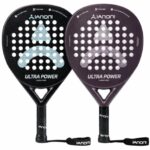
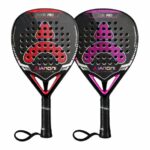
The racket’s head remains solid, while a bat has a larger head made from a single solid piece of wood. Designers punch holes through the padel racket’s head to reduce air drag, which makes it easier to handle during intense rallies. In the Ianoni padel racket collection, you’ll notice specialized hole distributions designed to enlarge the ‘sweet spot,’ ensuring that even off-center hits maintain the control and precision that define a true padel racket over a traditional batThe surface of the racket stays flat but not entirely smooth, with perforations that provide better control over the ball.
In contrast, a bat uses wood and has a smooth, solid surface that generates powerful hits. The differences in construction and the absence of strings make the padel racket better suited for fast-paced, controlled play in padel.
The Purpose of the Tool
Ultimately, the racket is tailored for a sport that demands quick reflexes, spin, and strategic placement of the ball. The solid design and perforated surface help players manipulate the ball in ways that a bat simply cannot. The racket is optimized for control, rather than just raw power.
Bats, on the other hand, are designed for a sport where distance and speed are paramount. Whether it’s hitting a baseball or striking a cricket ball, the bat’s primary function is to provide maximum force, often at the cost of fine control. This makes bats ideal for sports where hitting long distances is the main goal.
Why the Confusion?
It’s easy to understand why people might confuse padel rackets with bats. Both tools share a similar shape and are used to hit balls in various sports. The difference is that padel rackets are engineered for a completely different playing experience. The design and materials used in the creation of padel rackets focus on speed, control, and strategy, unlike bats, which are built for power.
Another factor contributing to the confusion is the fact that padel rackets have no strings, unlike traditional rackets in tennis or badminton. This makes the padel racket seem more like a bat in appearance, but the playing dynamics couldn’t be further apart. The compactness and control offered by the padel racket make it a much more versatile tool than a bat, especially when playing within the confines of a small court.
The Evolution of Padel Rackets
Understanding the question of “Is padel a racket or a bat?” also requires a brief look at the evolution of the padel racket itself. Initially, padel rackets were made from wood, but with advancements in material science, modern padel rackets are made from lightweight, high-performance materials like carbon fiber and fiberglass. These materials contribute to the racket’s durability and performance, offering enhanced control and power.
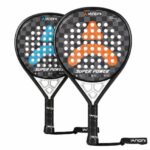
As the sport of padel gained popularity, the design of the racket became more refined, with new technologies improving its performance and making it suitable for players of all skill levels. Whether you’re a beginner or a seasoned professional,there’s a padel racket designed to suit your needs. If you are looking for a blend of durability and affordability, the Ianoni Super Power padel rackets category offers lightweight models that reduce arm fatigue without sacrificing the ‘pop’ required for powerful smashes there’s a padel racket designed to suit your needs and enhance your game.
The Importance of Choosing the Right Padel Racket
When it comes to padel, choosing the right padel racket is crucial for achieving the best performance. Since padel is a sport of precision, the racket you choose should be one that complements your playing style. Some players might prioritize control, while others may prefer a racket that offers more power. Regardless of your preferences, it’s essential to select a racket that feels comfortable in your hand and matches your skill level.
If you’re just starting out, it’s a good idea to try out different types of rackets to see which one feels right for you. Many sports stores and clubs offer demo sessions, allowing you to get a feel for the racket before making a purchase. Always consult with experienced players or coaches who can provide expert advice on selecting the best padel racket for your needs.
Why It’s Not Just About the Equipment
While the question “Is padel a racket or a bat?” centers on the equipment, it’s essential to remember that the game itself is what truly matters. Whether you’re using a padel racket or something else, it’s your skills and strategy that will ultimately determine your success on the court. A good racket can certainly enhance your performance, but mastering the game requires practice, consistency, and a deep understanding of the sport’s tactics.
Conclusion
So, is padel a racket or a bat? While at first, it might seem like a simple question, the answer is much more nuanced than it appears. The padel racket is designed for control, precision, and quick reactions, making it the ideal tool for playing the sport of padel. It is distinct from a bat in both its design and its purpose, serving a completely different role in the world of sports.
Whether you’re a new player or a seasoned veteran, understanding the differences between a padel racket and a bat will help you make more informed decisions when selecting your equipment and improve your overall gameplay. At the end of the day, the right racket in your hands can be the key to your success on the court.