
Why is Padel Suddenly So Popular?

A few years ago, most people in Britain would have struggled to explain what padel actually was. Today? Courts are fully booked, leisure centers are converting tennis space, and weekend slots are harder to secure than a five-a-side pitch in January.
So why has padel exploded seemingly overnight?
The short answer: it hasn’t appeared suddenly. The growth has been building beneath the surface and the UK has now reached its tipping point.
Let’s unpack what is really driving this surge.
A Rapidly Growing Trend Across the Globe
The rise of padel is nothing short of meteoric. This spike in interest isn’t limited to one group or region. While it has long been a staple in Spain and Argentina, the game is now exploding in Europe, North America, and Asia.
Here is why people are flocking to the courts:
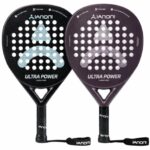
Easy to Learn: You can play a competitive match on your very first day. The solid padel rackets and smaller courts make ball control intuitive.
Less Physically Demanding: The court is smaller than a tennis court, meaning less sprinting. The underarm serve and slower ball speed make it accessible for all ages.
The Social Factor: It is almost always played in doubles. This creates a community-oriented environment where you spend as much time laughing as you do running.
Urban Friendly: In busy cities, people want low-pressure ways to stay active. Padel fits perfectly into a modern, social lifestyle.

A Sport Designed for Instant Enjoyment
The first rally tells you everything.
Padel is easy to start. The court is smaller than tennis, the serve is underarm, and the enclosed glass keeps the ball in play. That means beginners experience longer rallies from the outset.
In Britain, where many adults feel they have “missed the boat” with technical sports like tennis or squash, that matters.
You do not need years of coaching to feel competent. Within an hour, most players are:
- Holding rallies
- Experimenting with the back glass
- Moving as a team
- Enjoying competitive points
That immediate sense of progression is addictive and incredibly powerful for retention.
Built for the UK’s Social Sporting Culture
British recreational sport thrives on social structure whether that’s five-a-side football, club cricket, or weekend golf fourballs. People want sport that feels competitive but inclusive.
Padel delivers exactly that.
You’re never alone on court. You communicate, strategise, cover space together. The shared responsibility lowers pressure and raises enjoyment.
For after-work matches, corporate leagues, university sessions, or family weekends padel feels natural.
Backed by Structure, Not Just Hype
Some sports spike because of marketing. Padel’s growth is different.
In the UK, development has been supported by the Lawn Tennis Association, which formally recognises and supports padel expansion.
That governance brings:
- Coaching pathways
- Club accreditation
- Competition structures
- Long-term facility investment
This isn’t a pop-up trend. It’s structured growth.
When governing bodies invest, facilities follow — and once facilities exist, participation rises quickly.
The Influence of Technology and Padel's Popularity
Technology has turned padel into a global hit by making it incredibly easy to play and follow. Here is how digital tools changed the game:
Easy Access: Apps let you find courts, book a match, and meet new players in seconds.
Social Hype: Platforms like Instagram and TikTok have spread the sport’s “cool factor” to millions of people.
Performance Tracking: New tech helps players track their stats and improve their skills, fueling a more competitive spirit.
Pro Connection: Streaming services make it simple to watch professional matches, turning casual players into dedicated fans.
Why Padel Is So Popular Among Adults and Families
Padel isn’t just for the pros—it’s becoming the ultimate go-to sport for families and busy adults. Here’s why it’s a perfect fit for every generation:
Unlike tennis or football, padel is easy to pick up. Parents and kids can play together immediately without needing years of practice.
It’s less physically demanding than other sports, making it accessible for adults who want to stay fit without the high risk of injury.
Because padel courts are compact, they fit easily into urban neighborhoods, making it a quick and convenient way to stay active.
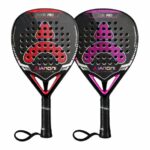
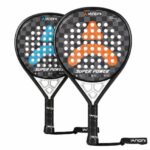
Choosing the right racket makes a huge difference. Our Classic and Force Pro series are specifically designed to help families have the most fun on the court.
The Appeal of Padel’s Simplicity
One of the best things about padel is its simplicity. You don’t need a garage full of gear or months of lessons to enjoy it. Here is why the “easy-to-play” factor is driving its massive popularity:
Minimal Gear: All you need is a racket, a ball, and a court. There’s no need to break the bank on expensive equipment before your first game.
Pick it Up in Minutes: Unlike other sports with steep learning curves, you can have a fun, competitive rally almost immediately.
Low Barrier to Entry: Whether you are a lifelong athlete or haven’t exercised in years, the game is welcoming and easy to learn.
Play at Your Own Pace: You can keep it casual for fun or ramp up the intensity as you get better—it’s entirely up to you.
Courts Are Appearing Everywhere
Visibility changes perception.
For years, padel in Britain was hidden inside a handful of specialist venues. Now, courts are appearing in:
- Urban leisure centres
- Converted tennis clubs
- Rooftop installations
- Premium indoor sports hubs
The glass-walled design is visually striking. It looks modern. It photographs well. It feels fresh compared to traditional court sports.
Once people see it, curiosity kicks in.
And curiosity converts.
Celebrity and Athlete Influence
There’s also cultural momentum.
Globally, footballers have embraced padel recreationally. High-profile names like Lionel Messi and Cristiano Ronaldo have frequently been linked to the sport.
When elite athletes choose something for enjoyment — not sponsorship — it signals authenticity.
In the UK, former footballers, fitness personalities, and sports broadcasters are regularly sharing padel sessions online.
That exposure removes the “unknown” factor and positions padel as part of modern sporting culture.
The Pandemic Acceleration Effect
Covid shifted how people approached activity.
Outdoor and semi-outdoor sports gained traction. Small-group formats became preferred. Booking systems became digitised.
Padel ticked every box:
- Four players only
- Outdoor-friendly
- Easy online booking
- Fast match turnover
Many people tried it during that period — and stayed.
The pandemic didn’t create padel’s growth, but it accelerated it.
Why Has Padel Become a Global Phenomenon?
Padel isn’t just a trend; it’s a global phenomenon. Its rapid growth comes down to one simple thing: it brings people together. In a world that can feel disconnected, padel offers a perfect mix of fitness and friendship.
The secret to its success:
Community First: Unlike solitary workouts, padel is built on teamwork and communication. It’s a social outlet where the “hangout” is just as important as the exercise.
The “Feel-Good” Factor: The sport emphasizes camaraderie and fun, making it much less intimidating for beginners than traditional competitive sports.
Inclusive Fitness: As people become more health-conscious, they are looking for ways to stay active that don’t feel like a chore. Padel fits this perfectly—it’s a workout you actually look forward to.
A Sport for Everyone: Whether you’re playing with lifelong friends or joining a match with strangers, the game’s welcoming nature makes it easy to expand your social circle.
The Future of Padel
From its humble beginnings to its sudden rise in popularity, padel has become a global sensation. The combination of its social appeal, accessibility, simplicity, and fitness benefits makes it a sport that’s here to stay. So, the next time you see a padel court, you might just want to give it a go—it’s easy to learn, fun to play, and an excellent way to stay active while connecting with others.