
What Is the Best Shape for Your Padel Racket?

Choosing the best shape for your padel racket is one of the most important decisions you will make as a player and it affects everything from your sweet spot size to how much power and control you can generate. In short, padel racket shapes fall into three main categories: round, diamond, and teardrop (hybrid). Each one is engineered for a different style of play, and picking the wrong one can genuinely hold your game back.
After testing models across all three shape families from beginner-friendly round frames to pro-level diamond heads the differences in on-court feel are significant. Whether you prioritize touch at the net, baseline power, or all-round versatility, this guide breaks down exactly what to look for so you can make a confident, informed choice.
Why Padel Racket Shape Matters More Than You Think
Most players focus on brand or price when buying a racket. But the shape of the frame is arguably the single biggest factor that determines how the racket performs in your hand. It influences:
- Sweet spot location and size: where the ball connects most comfortably
- Balance point: whether the weight sits at the handle, middle, or head
- Power potential: how much energy transfers to the ball
- Maneuverability: how quickly you can react to fast balls at the net
- Vibration absorption: how much shock travels into your arm on off-center hits
The frame shape also interacts closely with the core material (EVA foam vs Foam rubber), string pattern, and overall racket weight. But shape sets the foundation for everything else.
Round Shape : Maximum Control and Forgiveness
Round padel rackets have a circular or slightly oval head with the balance point positioned low, closer to the handle. This creates a low-to-mid balance that makes the racket feel light and easy to maneuver.
The sweet spot on a round frame sits in the center of the head which is exactly where most casual and intermediate players make contact. This forgiveness on off-center hits makes round rackets the most consistent option across all playing levels.
Best for: Players who value touch, defensive consistency, and net play. If you are a beginner or a player returning from arm injury, a round racket with a soft EVA core will protect your elbow and build your confidence fast.
Diamond Shape : Pure Power for Advanced Players
Diamond-shaped padel rackets have a pointed top and a balance point that sits high up in the head. This head-heavy design shifts more mass toward the top of the frame, which dramatically increases the power you can generate on smashes and attacking shots.
The trade-off is precision. The sweet spot on a diamond frame is smaller and positioned higher, which means any slight mistiming results in a noticeable loss of control. These rackets demand good technique and reliable footwork to use effectively.
Best for: Experienced players with an attacking, aggressive style who spend time at the back of the court unleashing powerful smashes and drives. Not recommended if you’re still developing your technique.
Teardrop Shape (Hybrid) :The Versatile All-Rounder
The teardrop or hybrid shape sits between round and diamond. The head is slightly elongated with a balanced or mid-to-high balance point, giving players access to both solid control and respectable power output without fully committing to either extreme.
This makes teardrop rackets the most popular choice among intermediate and club-level players who haven’t yet specialized in a single playing style. You get a reasonably large sweet spot, better power than a round frame, and more forgiveness than a diamond.
Best for: Intermediate players looking to develop their game in both attacking and defensive directions. Also excellent for doubles pairs who need to adapt their game based on court position.
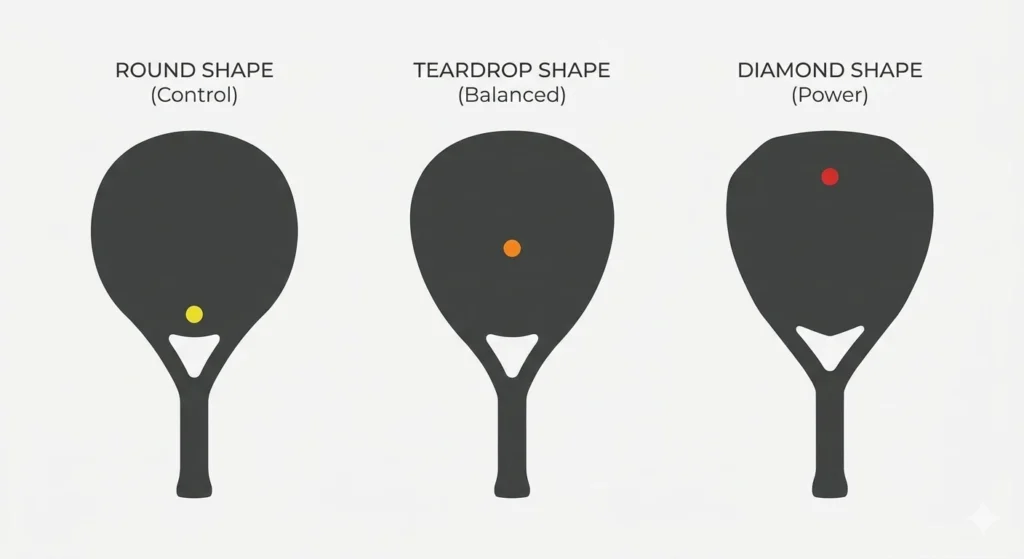
Padel Racket Shape Comparison Chart
Shape | Sweet Spot | Control | Power | Best For | Skill Level |
Round | High (large) | ★★★★★ | ★★★ | Touch & precision | Beginners–Advanced |
Diamond | Small (top) | ★★★ | ★★★★★ | Smashes & power | Advanced–Pro |
Teardrop / Hybrid | Medium-high | ★★★★ | ★★★★ | All-round play | Intermediate–Advanced |
How to Choose the Right Padel Racket Shape for You
Still unsure which shape fits your game? Work through this self-assessment:
- How long have you been playing?Less than 1 year → Round. 1–3 years → Teardrop. 3+ years with strong technique → Diamond.
- Where do you mostly play on court?Net-focused → Round or Teardrop. Baseline attacker → Diamond or Teardrop.
- Do you have any arm or shoulder issues?Yes → Round frame with soft EVA core. No → any shape can work.
- Do you prioritize power or control?Power → Diamond. Control → Round. Both → Teardrop.
What racket weight do you prefer? Light (355–365g) → easier with round. Medium (365–375g) → teardrop. Heavy (375g+) → suits diamond players.
How Shape Works with Core Material and Weight
Core Material
Most padel rackets use either EVA (ethylene vinyl acetate) foam or rubber foam in the core. EVA is firmer and creates more rebound power making it a natural pairing with diamond frames. Softer rubber foam cores offer better vibration dampening and are ideal with round frames for players who need arm protection.
Racket Weight and Balance
Weight distribution amplifies the effect of shape. A heavy, head-heavy diamond racket maximizes power but requires strong wrists. A lighter round racket gives you faster reactions at the net. Most club-level players perform best with a padel racket weighing between 360g and 375g
Common Mistakes When Choosing a Padel Racket Shape
Choosing diamond too early: Many intermediate players buy diamond-shaped rackets because they look ‘pro’ but without the technique to consistently hit the smaller sweet spot, they lose more rallies than they win.
Ignoring arm health: A head-heavy diamond racket puts more rotational stress on your elbow and shoulder. If you experience any discomfort, switch to a round or teardrop frame immediately.
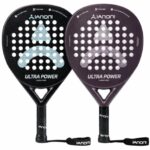
Prioritizing brand over shape: A premium brand’s diamond racket will still underserve you if your game calls for a round frame. Shape fit is more important than brand loyalty. For instance, players looking to dominate the net should look for an ultra power padel racket that matches their swing style rather than just a famous logo.
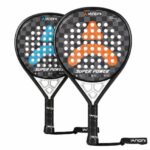
Not testing before buying: Whenever possible, demo a racket or borrow a friend’s before committing. The feel of balance in your hand tells you more than any spec sheet. If you cannot test one in person, starting with a super power padel racket that offers a balanced weight distribution is usually a safe bet for aggressive hitters.
So, What Is the Best Shape for a Padel Racket?
The honest answer is: the best padel racket shape is the one that matches your current skill level, playing style, and physical needs , not the one used by the top-ranked player on court.
As you improve, your ideal racket shape may change. The key is to understand how each geometry affects performance, so you can make an upgrade at the right time rather than holding yourself back with the wrong tool.