
Padel Workouts: 7 Easy Exercises to Improve Your Game (2026)

The fastest way to improve your padel game is not always on the court. The physical demands of padel are explosive lateral movement, rapid direction changes, rotational power, and sustained aerobic output across a 60 to 90-minute match are highly specific. Generic gym routines do not train these qualities efficiently. The right padel workouts, done consistently two to three times per week off the court, build exactly the strength, speed, and stability your game needs.
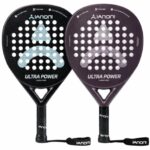
Court time builds skill, while off-court training builds the physical foundation that lets that skill show up under pressure. To truly see the results of this strength and conditioning, it is essential to pair your improved fitness with a high-quality Padel Racket that matches your evolving playing style.
These 7 exercises are specifically chosen for padel players: each one targets a movement pattern or physical quality that directly translates to better court performance. They require minimal equipment, can be completed in under 40 minutes, and are appropriate for players at every level from recreational beginners to competitive club players training for leagues and tournaments.
2026 Context: Padel-specific fitness training has become mainstream at club level across Europe and the Middle East. Sports science programmes at institutions including the Spanish Royal Padel Federation now publish padel-specific conditioning protocols the exercises below draw from the same movement principles.
Why Padel-Specific Fitness Training Matters in 2026
Padel is one of the most physically demanding racket sports per minute of active play. A typical club-level rally involves 4 to 8 directional changes, multiple split steps, at least one overhead load, and sustained bilateral coordination throughout. Research from the University of Seville’s padel performance department, updated in 2025, found that lateral hip strength, rotational core stability, and reactive footwork speed are the three physical qualities most predictive of performance improvement at intermediate level.
The 7 exercises below each map directly to one or more of these qualities which is why they produce faster on-court results than general fitness routines. You are not just getting fitter. You are building the exact physical vocabulary padel demands.
EXERCISE 1: Lateral Band Walks
Lateral band walks strengthen the gluteus medius the hip abductor muscle that controls lateral stability on every split step, shuffle, and wide lunge in padel. Weak hip abductors are one of the most common contributors to slow net movement and the knee inward collapse that causes padel knee injuries.
How to Do It
- Setup:Place a resistance band just above both knees. Stand with feet hip-width apart, slight bend in both knees.
- Movement: Step sideways with your lead foot, then bring the trail foot in keeping tension in the band throughout. Do not let your feet come together fully.
- Posture: Keep your torso upright and hips level. Avoid leaning into the direction of travel this removes the load from the target muscle.
- Sets and reps:3 sets of 15 steps each direction. Rest 45 seconds between sets.
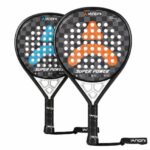
💡 Padel Connection:The lateral band walk trains the exact hip activation pattern used in your split step and net shuffle. For recreational players and beginners focusing on these fundamental movements, using a Classic Padel Racket offers the lightweight control and forgiveness needed while you build your on-court agility
EXERCISE 2: Medicine Ball Rotational Throws
Groundstrokes
Groundstroke power in padel comes from rotational force generated through the hips and core not from arm strength. Medicine ball rotational throws train this exact transfer of energy, teaching your body to accelerate rotation from the ground up. This directly improves the power and consistency of your forehand drives, vibora overheads, and smashes.
How to Do It
- Setup:Stand sideways to a solid wall, 1 to 1.5 metres away, holding a 3–5 kg medicine ball at hip height.
- Movement:Rotate your hips and torso away from the wall to load, then drive your hips back toward the wall and release the ball into it explosively. Catch the rebound and repeat.
- Key point:The power comes from the hip drive, not the arms. Your arms follow they do not initiate.
- Sets and reps:3 sets of 10 throws each side. Full reset between sides.
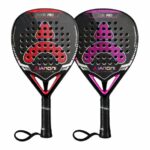
🎾 Padel Connection: This is arguably the most direct transfer exercise in this list. The hip-to-torso rotation chain trained here is identical to the mechanics of a well-hit forehand drive or vibora overhead. To fully translate this explosive power into your shots, the Force Pro Padel Racket provides the structural integrity and carbon-faced build required for high-velocity play
EXERCISE 3: Skater Jumps
Padel courts are narrow but demand rapid end-to-end lateral movement and skater jumps train exactly that. This single-leg plyometric exercise builds the explosive push-off strength and landing stability needed for wide defensive lunges, fast net approaches, and the reactive court coverage that separates mobile players from static ones.
How to Do It
- Movement:Push off one leg and bound laterally as far as possible, landing softly on the opposite leg. Hold the landing for one second to build stability, then immediately drive back the other way.
- Landing mechanics: Land with a slight knee bend, foot flat, hip back avoid knee cave. Soft landings protect the knee and build better deceleration control.
- Distance goal: Aim to increase your lateral bound distance gradually over four to six weeks the improvement in single-leg explosiveness will be directly visible in your court movement.
- Sets and reps:3 sets of 12 bounds each side. Rest 60 seconds between sets.
⚡ Progression Tip: Once you can land and hold each bound with full control, add a light touch of the back foot on landing to mimic the padel shuffle step. This bridges the gap between the gym exercise and actual court movement even further.
EXERCISE 4: Single-Leg Romanian Deadlift
Padel involves constant weight shifts onto a single leg during wide lunges, overhead contact, and glass wall retrieval. The single-leg Romanian deadlift (RDL) builds the hamstring strength, hip hinge mechanics, and ankle stability required to perform these movements under load without losing balance or risking injury. It is also one of the most effective injury prevention exercises for padel knees and ankles.
How to Do It
- Setup:Stand on one leg, holding a dumbbell in the opposite hand (or bodyweight only to start). Soft bend in the standing knee.
- Movement:Hinge at the hip, sending the free leg behind you and the dumbbell toward the floor. Keep your back flat and hips square throughout.
- End position:Your torso and free leg should be roughly parallel to the floor at the bottom. Drive through the standing heel to return upright.
- Sets and reps:3 sets of 10 each leg. Use bodyweight until the balance is solid, then add load progressively.
🦵 Injury Prevention Note: Padel ankle sprains and knee overuse injuries are significantly reduced in players with strong single-leg stability. This exercise is used by padel physiotherapists across the Premier Padel circuit as a standard prehab protocol.
EXERCISE 5: Copenhagen Plank
The inner thigh (adductor) muscles work constantly in padel controlling wide lateral lunges, closing the legs on recovery steps, and stabilising the groin during explosive direction changes. Copenhagen planks are the single most effective exercise for building adductor strength, and they are still underused in most padel training programmes despite strong evidence for their role in groin strain prevention.
How to Do It
- Setup:Lie on your side. Place your top foot on a bench or low surface (30–50 cm high). Your bottom leg hangs free beneath the bench.
- Movement:Lift your hips off the ground, forming a straight line from head to ankle. Hold the position with your top leg as the sole support point. Your adductors are doing the work.
- Easier version:Place your top knee (not foot) on the surface this reduces the lever length and makes it more accessible for beginners.
- Sets and time:3 sets of 20 to 30 seconds each side. Build toward 45 seconds as strength improves.
🏥 2026 Research Note: A 2024 Journal of Sports Science study confirmed that eight weeks of Copenhagen plank training reduced groin injury incidence in court sports players by over 40%. For padel players who lunge wide regularly, this exercise is genuinely protective.
EXERCISE 6: Pallof Press
Most core exercises train you to flex sit-ups, crunches, leg raises. Padel does not demand flexion. It demands anti-rotation: the ability to resist being twisted out of position when you hit a drive, absorb a body shot, or execute an overhead from an off-balance position. The Pallof press is the best anti-rotation core exercise available, and it transfers directly to smash stability and groundstroke control.
How to Do It
- Setup:Attach a resistance band or cable at chest height. Stand side-on to the anchor point, feet shoulder-width apart, holding the band with both hands at your chest.
- Movement:Press the band straight out in front of you to full arm extension, holding for two seconds. The band will try to rotate you toward the anchor resist it completely. Return to chest and repeat.
- Key point:Your hips and shoulders must stay perfectly square throughout. Any rotation means the load is too heavy reduce it.
- Sets and reps:3 sets of 12 each side. Keep the movement slow and controlled this is not a power exercise.
🎯 Padel Connection: Every time you hit a forehand drive cross-court, your core is resisting the rotational pull that would drag your shoulders open too early. The Pallof press trains that exact resistance pattern.
EXERCISE 7: Reactive T-Drill
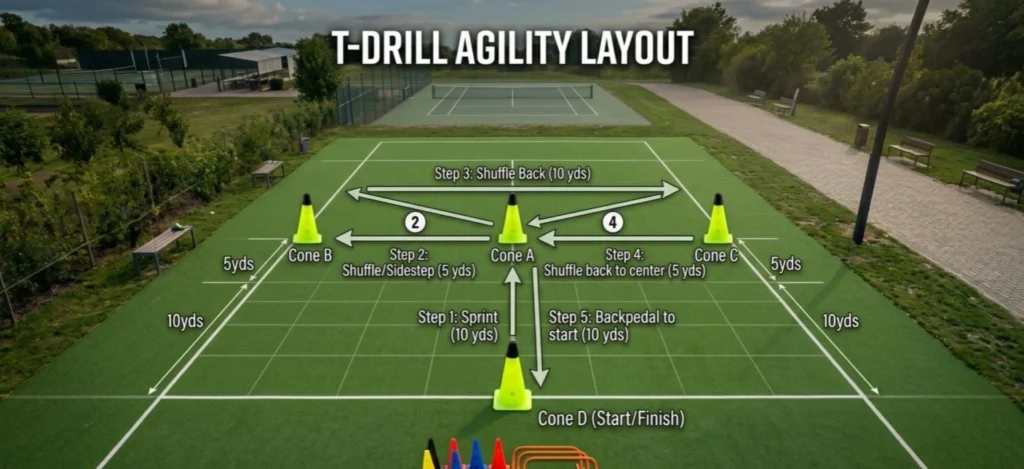
The T-drill is the only exercise in this list performed on a court or open space and it is the one that ties all the other physical qualities together. It trains first-step quickness, multi-directional speed, deceleration mechanics, and cognitive reaction simultaneously. Used as the final exercise in each session, it bridges the gap between gym strength and actual padel movement patterns.
How to Set It Up
- Cone layout:Place one cone at the start. Ten metres ahead, place a second cone (the top of the T). Five metres to the left and right of the top cone, place two more.
- Movement pattern:Sprint forward to the top cone, shuffle left to the far left cone, shuffle right across to the far right cone, shuffle back to the centre, then backpedal to the start.
- Reactive variation (2026 update):Have a partner call the direction at the top cone rather than using a fixed pattern. This reactive version increasingly used in Premier Padel academy training in 2025 adds a cognitive load that mirrors the real decision-making demands of court movement far more effectively than a set pattern.
- Sets and rest:5 timed rounds. Rest 90 seconds between rounds. Track your time weekly to measure improvement.
📊 Benchmark: A reasonable club-level target for the padel T-drill is under 11 seconds. Elite club players typically complete it in 9.5 to 10.5 seconds. Track your time monthly consistent improvement here directly correlates with faster court coverage in matches.
Sample Weekly Padel Workout Schedule
Here is how to fit these 7 exercises into a realistic training week alongside your court sessions:
- Monday (Off-court Session A):Lateral Band Walks, Medicine Ball Throws, Copenhagen Plank, Pallof Press 35 minutes.
- Wednesday (Court session):Padel practice or match play.
- Thursday (Off-court Session B):Skater Jumps, Single-Leg RDL, Reactive T-Drill 30 minutes.
- Saturday (Court session):Padel match or training.
- Rest days: Tuesday, Friday, Sunday light stretching and mobility work optional.
For players managing shoulder soreness or looking to protect their arm during heavy training periods, pair this programme with the right racket setup. See our padel rackets for control and injury prevention and padel fitness and technique guides for a complete approach to off-court development.
Final Word: Train the Body Your Padel Game Demands
Every hour you spend on these 7 exercises pays dividends the next time you step on court in faster first steps, cleaner rotational power, stronger defensive lunges, and the physical resilience to maintain your technique deep into the third set when opponents start to tire.
You do not need a gym membership or elite equipment. A resistance band, a medicine ball, and a set of cones are enough to build the foundation these exercises require. Two focused sessions per week, done consistently over six to eight weeks, will produce changes in your court movement that your opponents will notice before you do.
The best padel investment you can make off the court is 40 minutes of targeted physical training twice a week. Everything else follows from that foundation.