
Lightweight vs Heavier Padel Racket: What Suits You Better?

A lot of buyers get lost because padel equipment is full of labels that sound technical but do not always explain what the racket will feel like on court. In a topic like lightweight vs heavier padel racket: what suits you better?, the useful questions are simple: how will the choice affect lightweight racket, what will it do for heavier racket, and will it still feel right after a few weeks of regular play? For most recreational players, steady control beats occasional brilliance.
What the difference actually feels like
The headline difference in lightweight vs heavier padel racket: what suits you better? matters because it changes what the player feels on contact and during preparation. One option usually offers a calmer, more forgiving response, while the other asks for slightly cleaner timing or rewards a different style of point construction. That difference is not abstract; it shows up on volleys, returns, overheads, and tired-arm moments late in a match.
In product language, buyers will often see references to lightweight racket, heavier racket, or arm comfort. Those labels only become meaningful when you translate them into feel: easier handling, more solid impact, extra pop, or a smaller margin for error.
Where each option works best
Neither side of the comparison is automatically better. One may suit players who prioritise defence, resets, and controlled placement. For those who want maximum ease of use and a racket that ‘disappears’ in the hand, a classic padel racket is the standard choice, offering the maneuverability needed to reset the point from the back glass.”
It also helps to think about match context. A choice that feels excellent for short bursts or demo hits may become tiring across a full session. By contrast, a steadier option may look less dramatic at first yet prove more effective across doubles patterns, quicker exchanges, and awkward defensive balls.
What most buyers get wrong
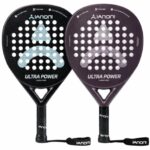
Many buyers assume the more advanced-sounding side of a comparison must be the upgrade. In reality, the better choice is the one that lets the player repeat quality shots more often.If the racket adds tension, late preparation, mishits, or arm fatigue, it is not an upgrade in any useful sense. For the aggressive player who has the strength to handle a more demanding frame, an ultra-power padel racket can unlock a new level of smash velocity, but it requires the technique to match its heavier weight.
Another common mistake is reading comparison terms without considering the rest of the racket. Shape, balance, core feel, and total weight all interact. So even if two products share the same label, they may behave very differently once the full construction is taken into account.
How UK conditions can influence the choice
UK playing conditions are worth mentioning because not every buyer is testing equipment in year-round heat. Cooler temperatures, a mix of indoor and outdoor courts, and social-match pacing can make comfort and forgiveness feel more valuable than they might in a very fast, warm environment. That does not change the fundamentals, but it can tilt close decisions.
A racket that feels lively in summer may feel firmer in winter. A setup that suits a strong advanced player may also feel less generous to a club player who mostly plays after work.
Which option suits most players
If the goal is to make one recommendation for the broadest group of buyers, the safer side of the comparison usually wins. Most recreational and improving players benefit more from control, comfort, and a clear sweet spot than from extreme performance claims. The more demanding option only becomes the smarter buy when the player’s technique and match habits already support it.
That does not make the safer option boring. It makes it practical, and practicality is a strong buying signal. The best padel purchase is often the one that helps you trust your decisions on court from the very first week.
Quick takeaways
Prioritise lightweight racket only if it improves day-to-day play rather than just headline appeal.
- Treat heavier racket and arm comfort as linked choices, not isolated specs.
- If comfort is uncertain, err towards the more forgiving option and add performance later.
- For most club players, consistency across a full match matters more than one standout shot.
Final word
In the end, it is less about chasing the most impressive option and more about matching the choice to real play. When equipment supports comfort, timing, and trust in your own decisions, it usually delivers more value than a racket chosen for image alone.