
How to Know if a Padel Racket Is Too Advanced for You

Good padel buying advice is usually practical rather than flashy. The right choice is the one that helps you play better for the next six months, not the one that sounds most professional. In a topic like how to know if a padel racket is too advanced for you, the useful questions are simple: how will the choice affect advanced racket, what will it do for hard feel, and will it still feel right after a few weeks of regular play? That matters even more in padel because comfort, confidence, and repeatable contact are often more valuable than headline power.
For a UK-based padel site, the strongest article is one that answers those real buying questions in plain language. Instead of chasing generic phrases, it helps to talk naturally about things players already care about: advanced racket, hard feel, small sweet spot, control issues, mishits. That approach aligns better with people-first search guidance and also gives a shopper enough detail to act on.
Quick takeaways
Check whether the issue appears on rushed shots, tired arms, or off-centre contact.
- Reduce one variable at a time: weight, balance, grip pressure, or session length.
- Look for patterns rather than blaming one bad match.
- If discomfort is persistent, choose comfort and recovery over ego.
What is usually causing the problem
When players ask about how to know if a padel racket is too advanced for you, the cause is rarely just one thing. It is usually a mix of timing, positioning, physical freshness, and equipment fit. The mistake is to blame technique alone or gear alone when both may be shaping the same bad outcome.
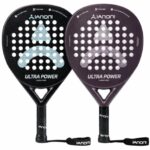
Start by noticing when the problem appears. Does it happen on rushed balls, during overheads, or on defensive blocks? If you find that the ball is often flying off the frame or lacking depth, it might be a sign that you need a more forgiving sweet spot. Returning to a Classic Padel Racket designed for maximum control and ease of use—can often help you find your rhythm again and eliminate those frustrating unforced errors.
How equipment affects the issue
Gear can make a real difference because weight, balance, stiffness, and grip feel all influence how easy it is to prepare the racket head and strike the ball cleanly. A setup that is slightly too demanding may not look wrong on paper, yet it can turn a manageable flaw into a repeated frustration. That is especially true when the player is between levels.
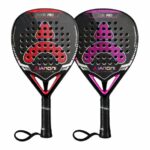
For many club players, a more forgiving option does not reduce ambition; it simply gives better feedback. You get a clearer sense of contact and more margin on imperfect timing. If you are looking to step up from a beginner model but still want to maintain that necessary balance of stability and touch, moving into the Force Pro Padel Racket range provides a professional feel without the punishing stiffness of an ultra-aggressive pro frame.
When technique matters more than gear
At the same time, not every issue should be solved by shopping. If preparation is late, court position is poor, or swing length is too big for padel exchanges, even the right racket will only help so much. That is why the best advice usually combines one gear adjustment with one technical focus.
A simple example is compactness. Many common padel problems improve when the player sets the racket earlier, relaxes the grip, and shortens the motion slightly. Those changes cost nothing and often make equipment feel better immediately.
What changes tend to help fastest
If you want quick wins, simplify the setup before making a dramatic upgrade. That could mean dropping to a more manageable balance, choosing a softer feel, replacing a worn grip, or reducing session length while discomfort settles. Small adjustments often produce clearer feedback than a complete overhaul.
It is also worth judging changes over several sessions rather than one good or bad day. Padel has too many moving parts for instant certainty. What matters is whether the trend is heading towards cleaner contact, calmer decision-making, and less strain.
A sensible next step
The sensible next step is not to chase the most powerful or premium option by default. It is to choose the adjustment most likely to restore confidence. When the racket feels easier to swing, easier to trust, and easier on the body, the game usually starts to open up again.
If the issue involves ongoing pain rather than normal fatigue, comfort should move to the top of the list. Performance means very little if the player cannot recover well enough to enjoy the next match. In that situation, sensible gear is part of playing more, not less.
A useful reality check
A useful final check is to ask whether the setup would still make sense after a month of mixed results. If the answer is yes, the decision is probably built on the player’s routine rather than temporary excitement. That sort of realism tends to produce better purchases and better long-term satisfaction.
It also helps to judge the choice against tired-day padel rather than perfect-day padel. If the racket still sounds manageable when reactions are slower and timing is not exact, it is probably a sensible fit. That is often where practical value reveals itself.
Another good test is whether you could explain the choice in one calm sentence to a friend at your club. If the reason is clear, such as better comfort, easier handling, or more dependable control, the purchase is probably grounded in something useful. If the explanation relies only on hype, the decision may need another look.
A useful final check is to ask whether the setup would still make sense after a month of mixed results. If the answer is yes, the decision is probably built on the player’s routine rather than temporary excitement. That sort of realism tends to produce better purchases and better long-term satisfaction.
It also helps to judge the choice against tired-day padel rather than perfect-day padel. If the racket still sounds manageable when reactions are slower and timing is not exact, it is probably a sensible fit. That is often where practical value reveals itself.
Another good test is whether you could explain the choice in one calm sentence to a friend at your club. If the reason is clear, such as better comfort, easier handling, or more dependable control, the purchase is probably grounded in something useful. If the explanation relies only on hype, the decision may need another look.
Final word
In the end, how to know if a padel racket is too advanced for you is less about chasing the most impressive option and more about matching the choice to real play. When equipment supports comfort, timing, and trust in your own decisions, it usually delivers more value than a racket chosen for image alone.